• Home
  • About
  • Contact
  • Privacy Policy
   
  • Home
  • About
  • Contact
  • Privacy Policy

Home

🥤 What Are Reusable Straws?
​Reusable straws are drinking straws made from durable materials designed for multiple uses. They're alternatives to single-use plastic straws, which contribute heavily to environmental pollution.
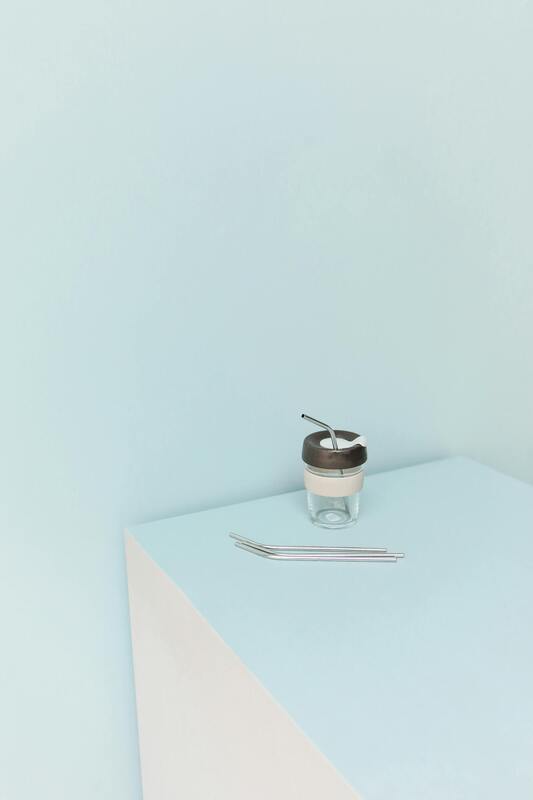
1. Stainless Steel
  • ✅ Durable, long-lasting, often dishwasher-safe
  • ✅ Good for cold drinks (retains temperature)
  • ❌ Can feel harsh on teeth or lips
  • ❌ Not flexible
  • 🔒 Not ideal for hot drinks (can heat up)
2. Silicone
  • ✅ Soft and flexible (kid- and teeth-friendly)
  • ✅ Good for both hot and cold drinks
  • ✅ Available in collapsible/portable options
  • ❌ Can retain odors or stains over time
  • 🧼 Needs thorough cleaning to prevent mold inside
3. Glass
  • ✅ Aesthetic, clean look
  • ✅ Doesn’t retain flavors or odors
  • ✅ Non-reactive and safe for hot/cold drinks
  • ❌ Fragile (though some are made with borosilicate glass)
  • ❌ Not great for travel or kids
4. Bamboo
  • ✅ Fully biodegradable and compostable
  • ✅ Unique, natural appearance
  • ❌ Less durable over time
  • ❌ May absorb flavors or liquids
  • ❌ Requires careful cleaning and drying
5. Titanium (less common)
  • ✅ Ultra-durable, lighter than steel
  • ✅ Hypoallergenic and non-reactive
  • ❌ More expensive
  • ❌ Rarely available in stores
🧼 Cleaning and MaintenanceCleaning Tools:
  • Long cleaning brushes (pipe cleaners)
  • Dishwasher (for most steel, silicone, and glass types)
  • Boiling or sterilizing (optional for thorough sanitizing)
Tips:
  • Clean immediately after use to prevent residue buildup.
  • For narrow straws, use a straw brush with soap and hot water.
  • For deep cleaning, soak in vinegar and baking soda or use denture tablets.

​⚖️ Health & Safety
  • Check for BPA-free materials (especially for silicone or plastic-coated straws).
  • Avoid cracked or damaged straws that could harbor bacteria.
  • Some people with disabilities may still need flexible plastic straws for safety reasons—reusables should not completely replace accessibility options.

​🌍 Environmental Impact
  • Reduces plastic waste in oceans and landfills.
  • One straw reused regularly can replace hundreds or thousands of disposables.
  • Most effective when combined with other low-waste habits (like reusable cups and containers).

​👜 Portability & StorageMany reusable straws come with:
  • Travel cases or pouches
  • Foldable designs (usually silicone or metal with joints)
  • Keychain attachments

Picture
💡 Things to Consider Before Buying
  • Use case: Daily smoothies? On-the-go use? Kid-friendly?
  • Ease of cleaning: Can you clean it easily at home or while traveling?
  • Material sensitivity: Sensitive teeth? Avoid hard materials like steel.
  • Sustainability: Is the straw actually helping you cut down on waste?

🧾 Recyclability & End-of-Life
  • Steel/titanium: Recyclable as metal scrap
  • Silicone: Often non-recyclable via curbside programs, but can be sent to specialty recyclers
  • Glass: Recyclable if unbroken (check local guidelines)
  • Bamboo: Compostable at home
  • Mixed-material straws: Harder to recycle, avoid if possible​

  • Home
  • About
  • Contact
  • Privacy Policy